
Custom-designed racking layouts built around your inventory, load requirements, and available floor space. Sold, installed, and serviced by one team - with free site evaluations to get the design right.

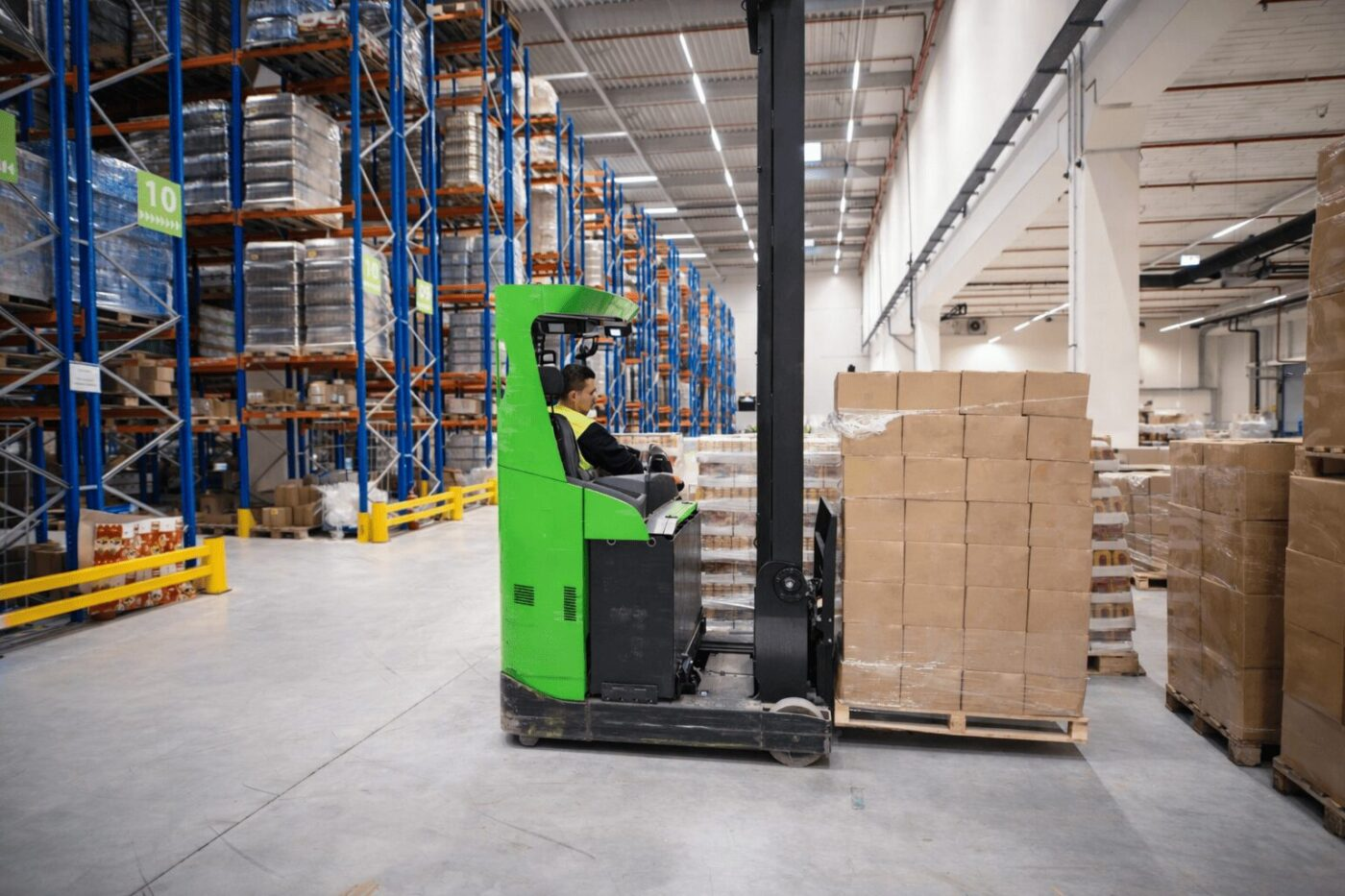
Vertical space costs nothing extra. The right racking system puts that space to work, gets pallets off the floor, and keeps inventory accessible. Our in-house engineering team designs layouts using AutoCAD, optimizing for load capacity, SKU count, and environmental conditions like cold storage. We handle installation through our certified technicians and vetted subcontractor partners – one scope, one price, one team accountable for the outcome.
The most common system for a reason. Every pallet position stays accessible from the aisle, making it ideal for operations with high SKU variety and frequent picks. Beam heights adjust to fit different pallet sizes. Roll-formed or structural steel options depending on load requirements and budget.
Two pallets deep per bay instead of one. Cuts aisle space and increases storage density without sacrificing too much accessibility. Requires a deep-reach forklift to load and unload the back position. Works well for operations with fewer SKUs and higher pallet counts per product.
High-density storage for facilities with limited floor space. Forklifts enter the rack structure directly to place pallets on rails. Drive-in systems have one entry point and follow last-in, first-out (LIFO) rotation – common in cold storage. Drive-through systems allow access from both ends for first-in, first-out (FIFO) flow.
Every layout starts with a site visit. We measure your space, review your inventory profile, and present tiered options – Good, Better, Best – so you see exactly what each configuration offers before committing.
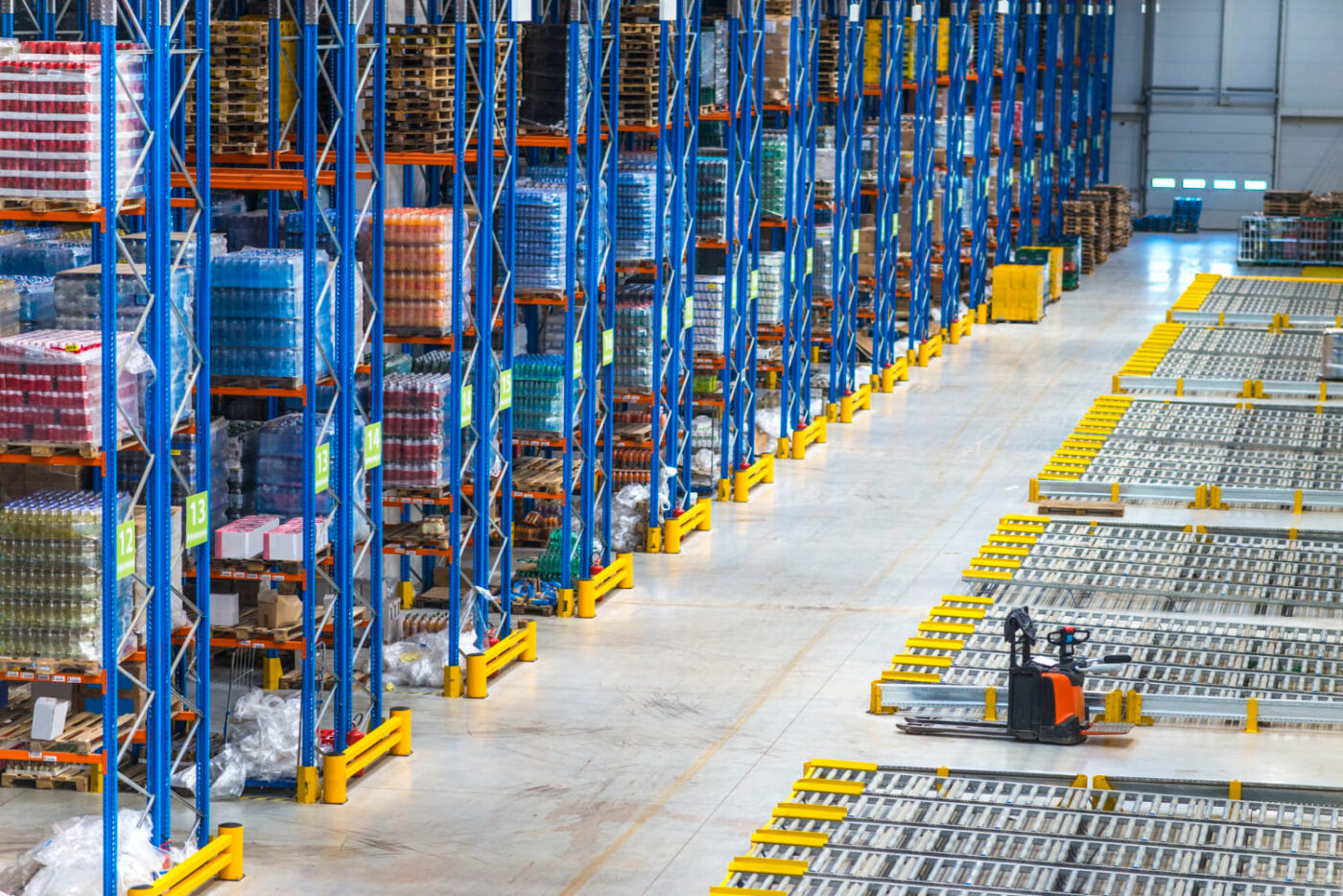
Pallets load from one side and roll backward on inclined rails. When you remove the front pallet, the next one rolls forward. Stores up to six pallets deep per lane. Good fit for high-volume SKUs where you need density without driving into the rack.
Gravity-fed rollers move pallets from the loading end to the picking end. Strictly FIFO – older inventory always comes out first. Common in food, beverage, and pharmaceutical operations where product rotation matters.
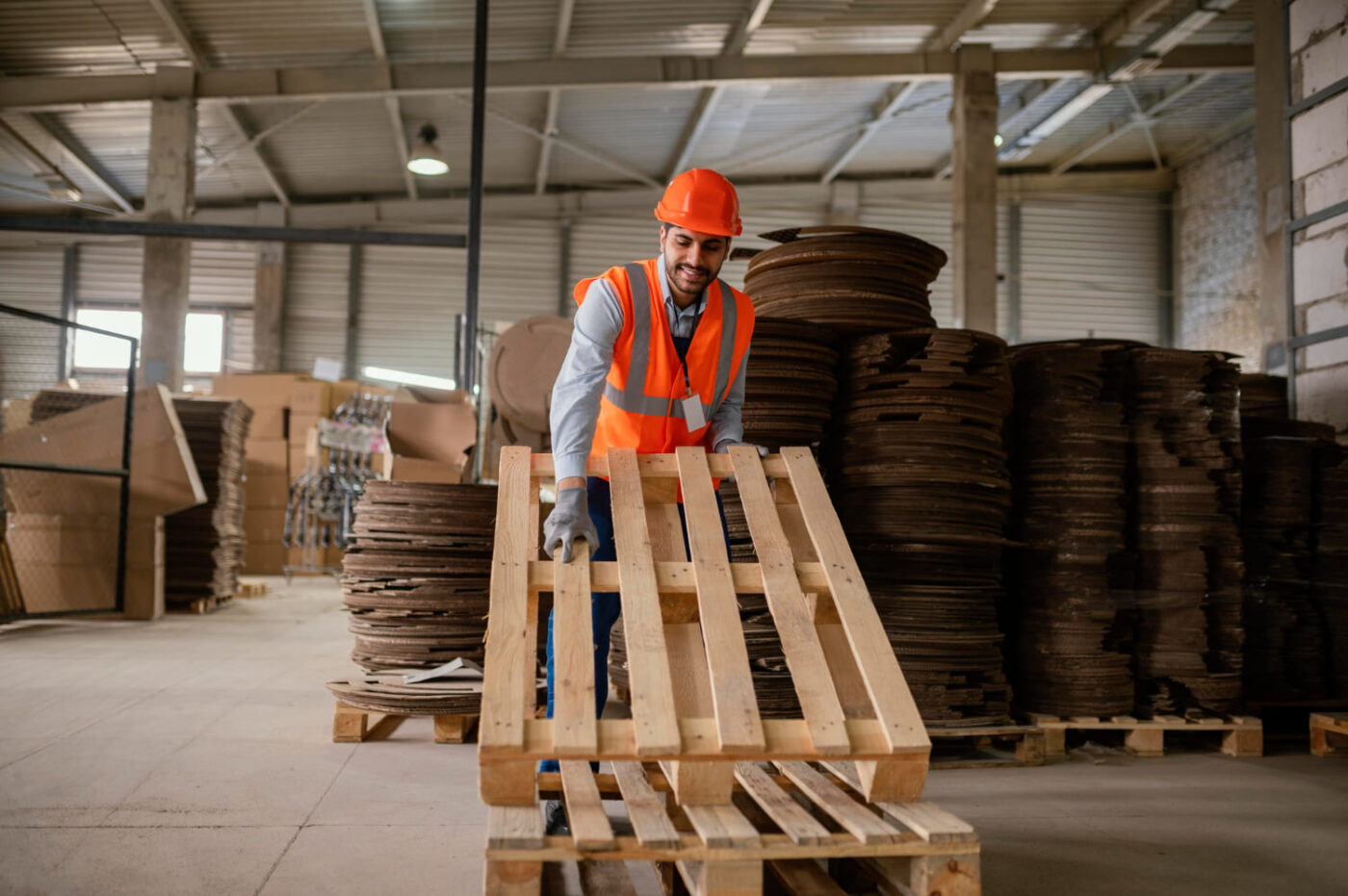
No vertical obstructions. Arms extend from a central column to hold long, bulky, or irregularly shaped items – lumber, pipes, furniture, steel bar stock. Arm heights adjust to match your inventory mix.
Column guards, end-of-aisle protectors, rack netting, wire decking, pallet supports. We supply the accessories that extend rack life and keep your team safe from falling loads or forklift impact damage.
Forget juggling calls between manufacturers, installers, and service teams. Velocity handles service and repairs directly. One call. One team. One invoice.
Every technician on our staff holds certifications for the equipment we sell and install. Faster diagnostics. Quicker repairs. Fewer repeat visits.
Installment plans, bundled financing, low down payment options – we match payment terms to your cash flow. Financing programs can bundle multiple equipment types into a single contract with one consolidated payment.
In-house certified technicians plus long-standing, vetted subcontractor partners let us handle projects of any size. Quality, safety standards, and accountability stay consistent across all installations.
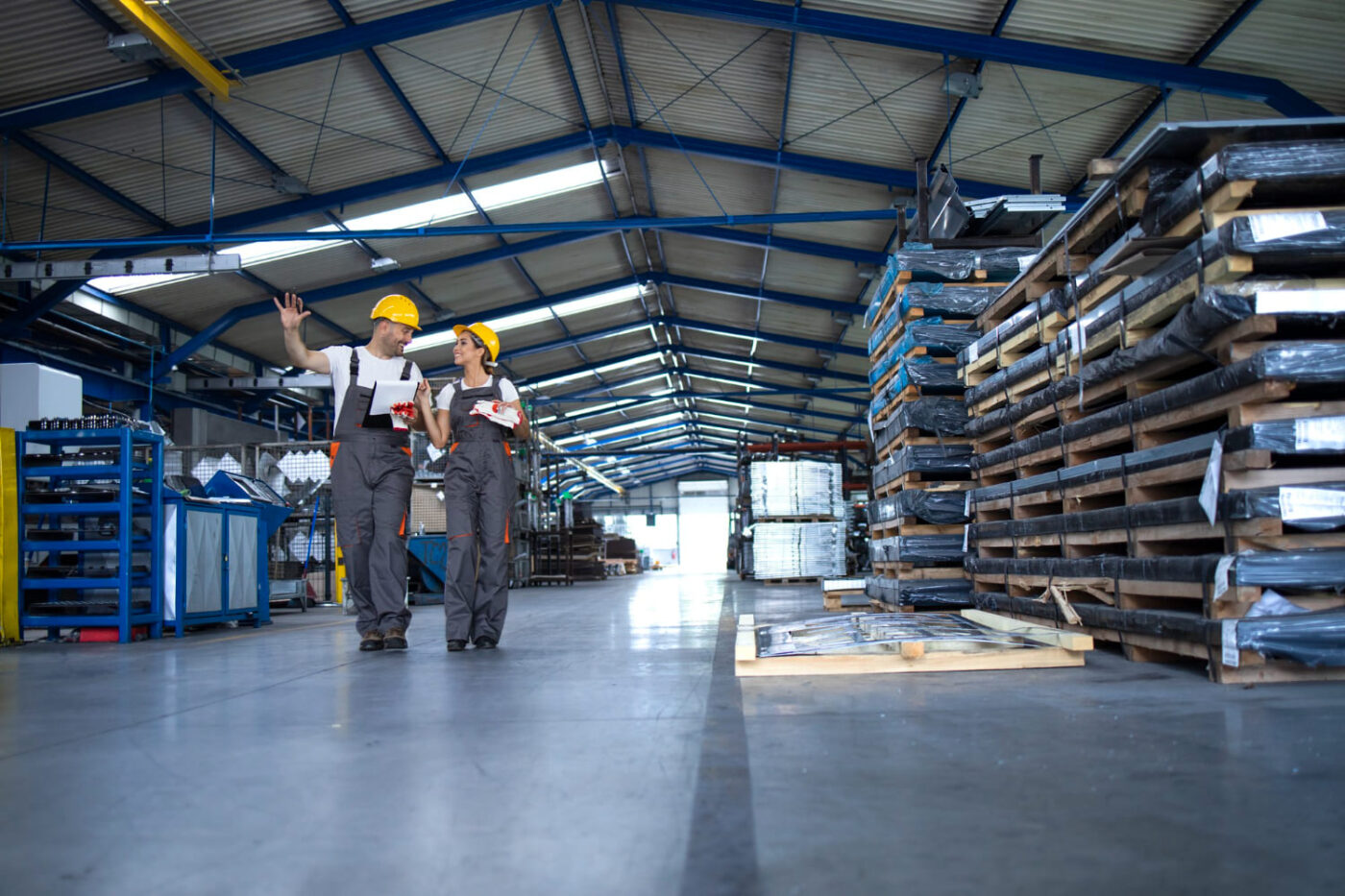
Selecting the right system involves evaluating your SKU count, pallet volume, and inventory access frequency. Selective pallet racking is ideal for high SKU variety with frequent picks, while double-deep, push-back, or drive-in systems are better suited for fewer SKUs with deep stock per product. For perishable goods requiring strict rotation, pallet flow is the recommended solution. These factors are assessed during a free site visit to present options that align with your specific space and budget.
Yes. Our in-house engineering team uses AutoCAD to build layouts optimized for environmental conditions, load requirements, and space constraints. Cold storage, freezer environments, oversized inventory, unusual footprints – we design around the constraint.
Both. Our certified technicians and vetted subcontractor partners install everything we sell. One contract, one team, one point of accountability from design through final walkthrough.
Yes. We assess existing systems, identify what can be reused, and design additions or reconfigurations that integrate with your current setup. No need to start from scratch if the existing rack is in good condition.
Yes. Financing programs can bundle racking, forklifts, dock equipment, and doors into a single contract with one consolidated payment. Down payment requirements vary, but low or no down payment options are often available.
We can. Damaged uprights, bent beams, missing safety clips – these issues compromise load capacity and worker safety. If you need an inspection or repairs, give us a call.
